

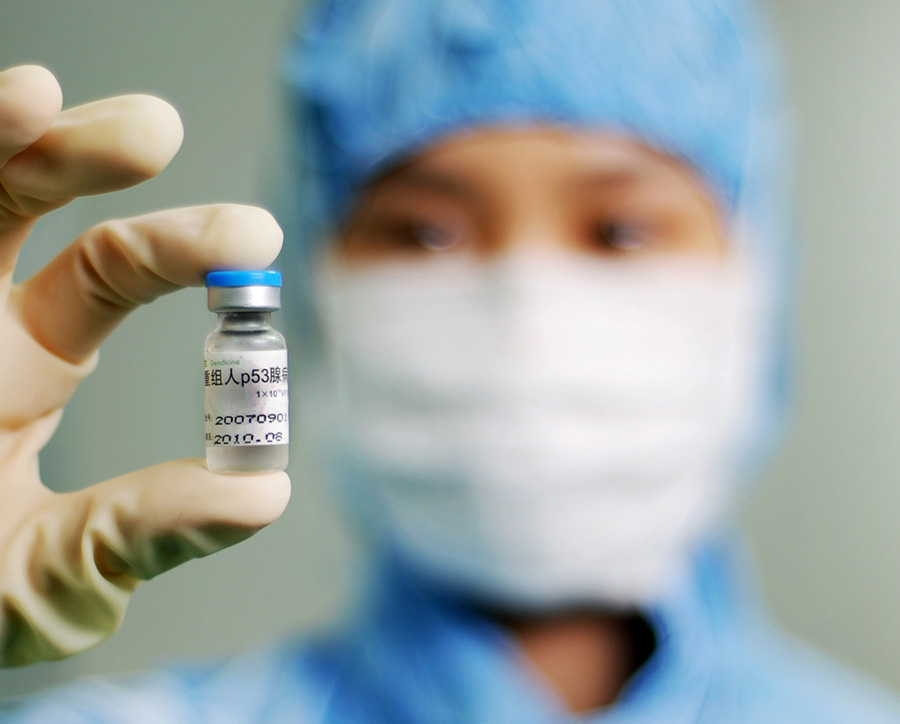

New Year's gift, now living for another twelve years, published in summary format
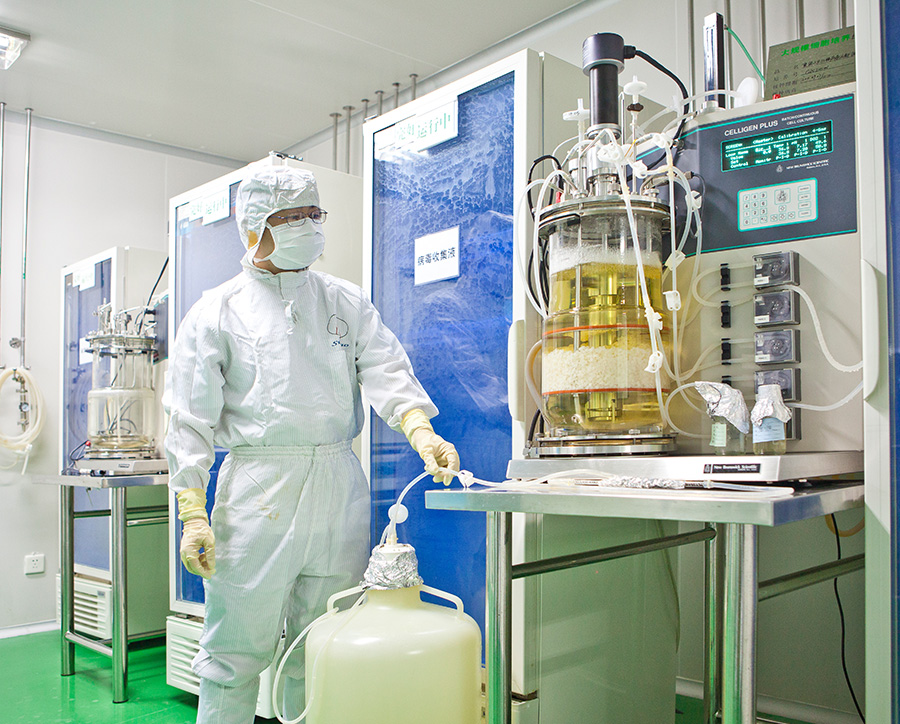
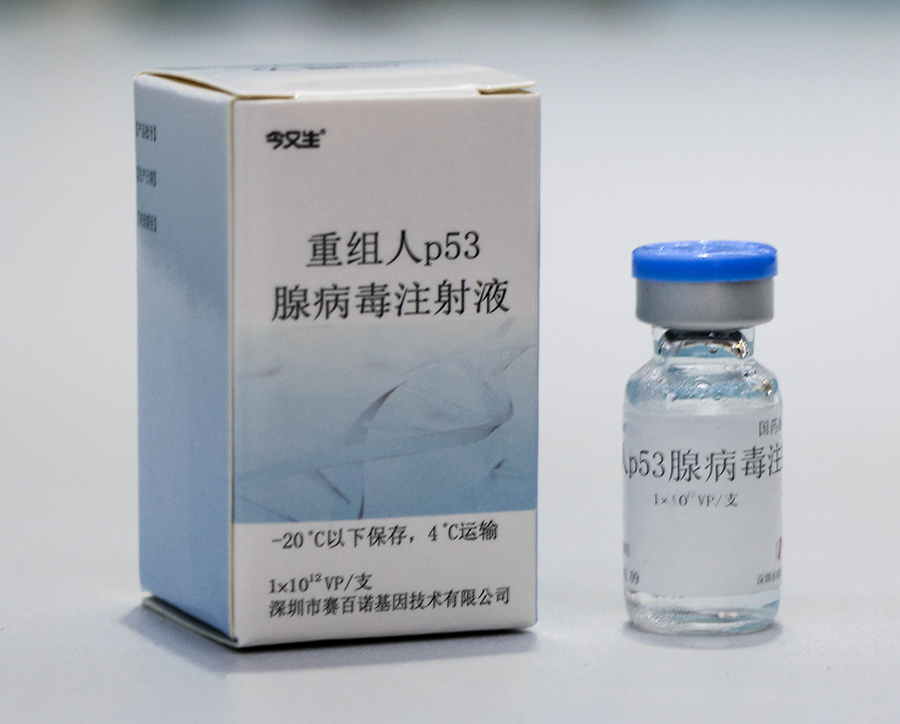
From 1998 to 2018, without realizing it, "Jin Re Sheng" has gone through 20 years of ups and downs. It has been 14 years since the world's first gene therapy drug was launched in 2004, and has grown from a groundbreaking gene therapy drug to a gene therapy star who has made great strides in the field of cancer. In the past decade, through the diligent production and persistent promotion of genetically modified organisms, "Jin Re Sheng" has achieved brilliant results, relieving the pain of numerous cancer patients. The cumulative number of patients treated has exceeded 30000, including over 3000 foreign patients from more than 50 countries and regions.
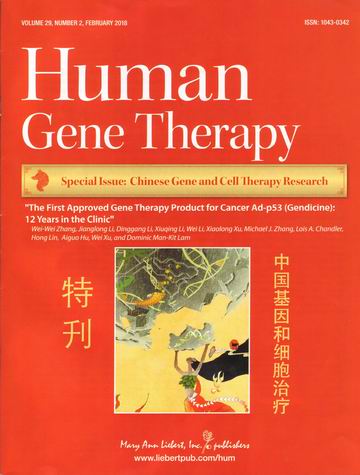
On the occasion of the Chinese New Year in 1898, we received a New Year's gift from across the ocean: "The First Approved Gene Therapy Product for Cancer Ad-p53 (Genicine): 12 Years in the Clinic" has been officially published in the Chinese gene and cell therapy special issue of the top American gene therapy journal "Human Gene Therapy". This review provides a comprehensive and systematic summary of the production and clinical application of Jin You Sheng since its launch, showcasing the extraordinary achievements of Jin You Sheng in the field of gene therapy to the world and acknowledging the hard work of all genetic researchers.
Human Gene Therapy has specially designed a Chinese style cover for this special issue. The inspiration for the cover design comes from the legend of N ü wa mending the sky. Legend has it that in ancient China, four towering pillars toppled over, creating a huge hole in the sky and causing the destruction of the land of Kyushu, leaving people in dire straits for a time. At this time, N ü wa smelted five colored stones to repair the sky and complete the defective sky. From then on, peace was restored to the land of the Central Plains, and all things in the world operated in order. The principle of gene therapy is to introduce exogenous normal genes into target cells to correct or compensate for diseases caused by gene defects and abnormalities, achieving the therapeutic goal, which is very consistent with the story of N ü wa mending the sky. More importantly, N ü wa's efforts to repair the sky demonstrate the magnificent spirit of humanity in transforming the world and the fearless spirit of fighting against nature. The exploration of gene therapy also reflects the spirit of unremitting struggle between humans and nature. The two are interconnected at the spiritual level, and using this allusion to express the concept of gene therapy can be said to be natural.
The special issue of "Human Gene Therapy" in China reports on the progress made in the widespread application of gene and cell therapy, genome editing research, and clinical development in the field of diseases in China. The invited co editors of the special issue are Professor Wei Yuquan from West China Hospital and Professor Liu Depei, former president of Peking Union Medical College. In addition to being born again today, the special issue also reported other achievements made by China in the fields of genes and cells:
Professor Liu Depei and his colleagues reviewed the research status of virus vector modified gene therapy in the fields of cancer, monogenes, neurology, cardiovascular disease, liver disease, and infectious diseases in their article "The Applications of Virus Vector Mediated Gene Therapy in China".
Researchers from West China Hospital have published an article titled 'The Current Status of Non viral Vectors for Gene Therapy in China', introducing the work of optimizing non viral vectors through structural modification and the opportunities and challenges of clinical translation.
The author from China National Medical Products Administration published a review titled "Consideration of Cellular Therapy Products in China," discussing the clinical review principles of cell therapy, including CAR-T products, including the protection of the trial population, pharmacodynamics, pharmacokinetics, dosage, safety, efficacy, and risk management.
The authors from Peking Union Medical College and related institutions wrote an article titled "The National Rare Diseases Registry System (NRDRS) of China and the Related Cohort Studies: Vision and Roadmap." They introduced China's disease definition and treatment principles for rare diseases, orphan drug development, and the establishment of databases for sample and genome data, as well as the current status of disease research, diagnosis, and related new molecular therapy development.
Introduction to Human Gene Therapy Magazine: Human Gene Therapy Magazine is a professional journal under Mary Ann Liebert, Inc. that focuses on gene therapy. Its academic articles are peer-reviewed and cover various aspects of gene therapy, including basic research, methodological research, and clinical applications. Human Gene Therapy is the official journal of nine international scientific associations, including the British Society for Gene and Cell Therapy, with an impact factor of 4.187.