



Focus on the 110th Annual Meeting of the American Association for Cancer Research (AACR2019)
The 110th American Association for Cancer Research Annual Meeting (AACR2019) was held in Atlanta, USA from March 29 to April 3, 2019. The AACR annual conference attracted nearly 20000 professionals from around the world to attend.
The American Association for Cancer Research was founded in 1907 in the United States by 11 doctors and scientists interested in cancer research, with the aim of "deepening cancer research and promoting related knowledge". This association is the world's earliest and largest authoritative scientific organization dedicated to comprehensive, innovative, and high-level cancer research. Renowned in the field of cancer etiology, diagnosis, treatment, and prevention, it has attracted numerous researchers. The American Association for Cancer Research stands at the forefront of cancer prevention and treatment by promoting the growth and dissemination of new knowledge about cancer.
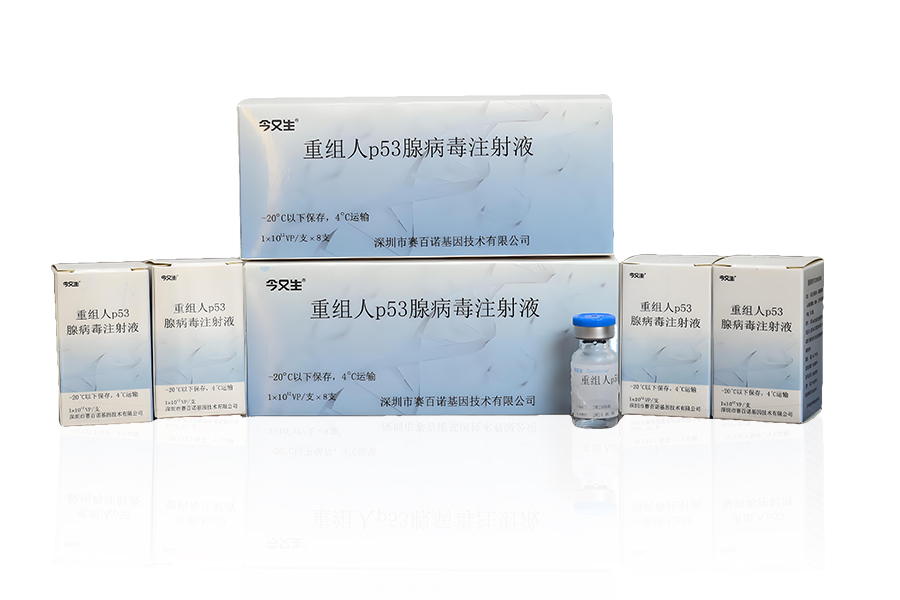
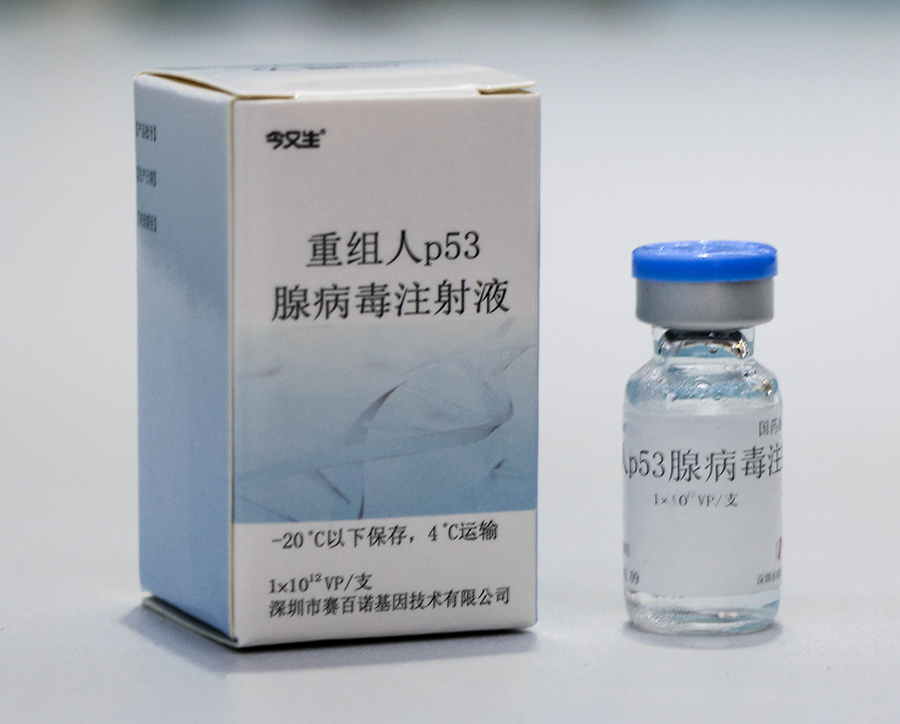
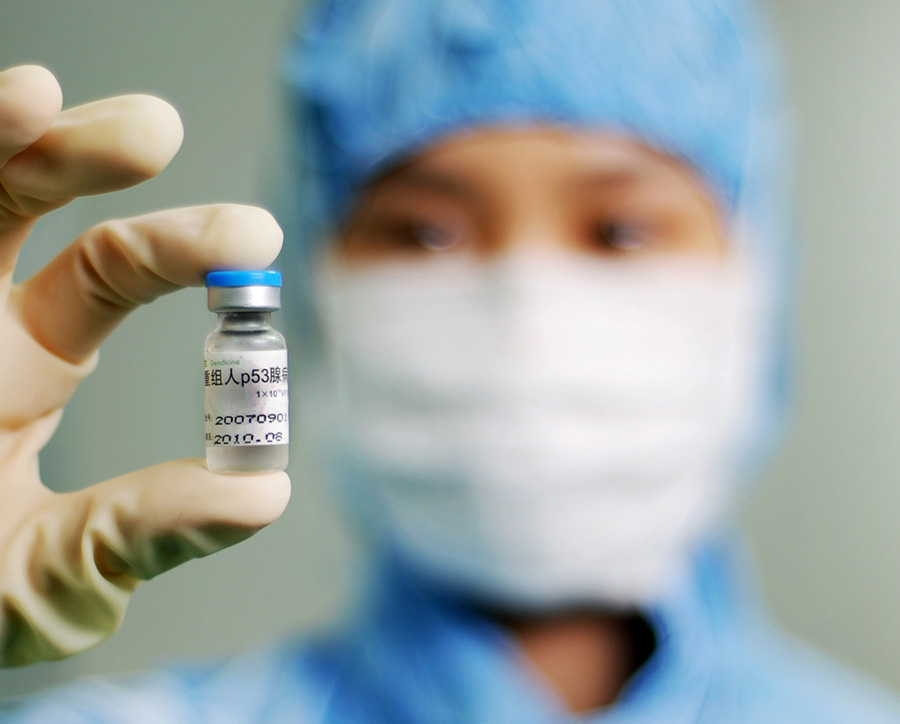
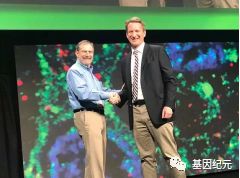
This conference is hosted by Dr., the President of the National Cancer Institute (NCI) in the United States Ned Sharpless (right), the soon to be Acting Director of the US FDA, and his partner, Dr. Loug Lowy (left), the soon to be Acting Director of NCI, opened the speech. Among them, the hot topic of the conference once again focused on the p53 tumor suppressor gene, and the only Adp53 tumor suppressor drug "Jin Re Sheng" also attracted attention again.
When it comes to pioneers in the field of cancer, we have to return to the origins of cancer genetics.
In 1979, Professor David Lane and Professor Arnold Levine each reported the discovery of a new protein (p53). Initially, people believed that the protein was a tumor gene. Later it was proven to be a tumor suppressor gene and gene guardian.
The relationship between cancer and p53 is exceptionally complex. In order to study the complex relationships between each other, over 100000 scientific research papers have been published today. At this year's AACR Annual Meeting, industry colleagues once again reviewed p53- cancer genetics and opportunities for human cancer risk assessment, early detection, prevention, and early treatment.
The 1990s were a global trend in gene therapy and p53 research. China's gene therapy research is keeping pace with the world. In 1996, Professor Zhang Shanwen from Beijing Cancer Hospital conducted two tumor hyperthermia studies in Japan and returned to China to conduct research on the effects of p53 tumor suppressor gene on the radiosensitivity and thermosensitivity of gastric cancer cells. This is a National Natural Science Foundation project and a major project of the National 973 Program. Beijing Cancer Hospital completed preclinical mechanism research from 1996 to 1998, clarifying how p53 enters cancer cells and how it is expressed in cancer cells to inhibit tumor cell growth.
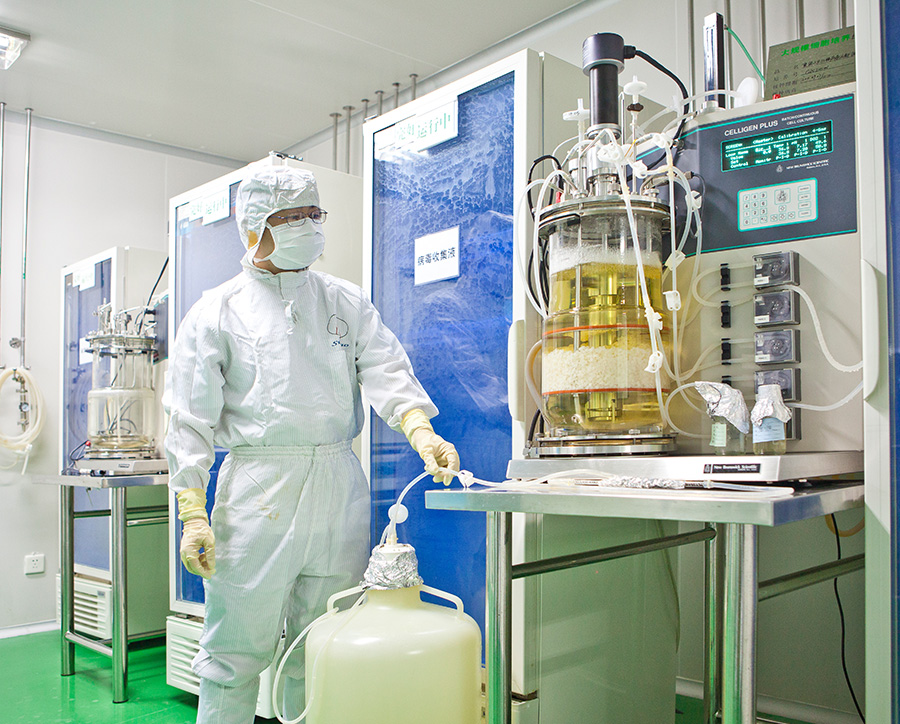
In 2003, a research and development team from Shenzhen Saibainuo Gene Technology Co., Ltd. completed a clinical trial of recombinant human p53. The combination of head and neck tumors with radiotherapy produced very good results. In October 2003, the China National Medical Products Administration approved the market launch of "Jin You Sheng" (recombinant human p53 adenovirus injection), which marked the birth of ********** cancer gene therapy drugs in China and across the country. Over the past decade, we have treated more than 30000 cancer patients from over 50 countries around the world. In February 2018, we published a review of 12 years of clinical results in the international medical journal HumanGene Therapy, summarizing the safety and effectiveness of clinical treatment since the drug was launched 15 years ago (with a total clinical response rate (CR+PR) of 90-96%). The efficacy is significantly better than existing traditional cancer treatment methods, and we have successfully promoted the development of gene therapy worldwide.
There is no doubt that the era of gene therapy has arrived, and people are still striving to explore the prediction of life and health. When will I get cancer? What kind of cancer? The goal of scientists is to understand and predict when cancer will occur as early as possible, with the hope of one day stopping it before it occurs.
The exploration of the American Association for Cancer Research has promoted the exchange of knowledge and ideas among cancer scientists, and enhanced public understanding of cancer. Revisiting the value of p53 in genetic research has illuminated a bright light for humanity in the field of cancer prevention!