

[Focus of the Two Sessions] Regarding tumor prevention and treatment, representatives and members said:
The latest national cancer statistics released by the National Cancer Center recently. The National Cancer Registry is responsible for collecting, quality controlling, summarizing, analyzing, and publishing cancer registration data nationwide. Due to the fact that the data from the National Cancer Registry is generally delayed by 3 years, the data released in this report is collected and summarized from the National Cancer Registry in 2015. The report data shows that there were approximately 3.929 million cases of malignant tumors and 2.338 million deaths in 2015. On average, over 10000 people are diagnosed with cancer every day, and 7.5 people are diagnosed with cancer every minute. Compared with historical data, the burden of cancer is showing a continuous upward trend. Over the past 10 years, the incidence rate of malignant tumors has maintained an annual growth rate of 3.9%, and the mortality rate has maintained an annual growth rate of 2.5%. During the Two Sessions, issues related to tumor prevention and treatment became a hot topic.
On March 5th, Premier Li Keqiang delivered a government work report. The report points out that millions of families in China are affected by cancer, and we need to implement cancer prevention and control actions, promote prevention screening, early diagnosis and treatment, and scientific research, and focus on alleviating the pain points of people's livelihoods. However, from the current situation of medical resources in China, only tertiary hospitals in first - and second tier cities such as Beijing, Shanghai, Guangzhou, and Shenzhen have advanced medical technology. The level of tumor treatment in grassroots hospitals is still relatively low, which leads to many patients having to travel to big cities to find hospitals and experts to seek more effective treatment. The high treatment costs, cross provincial medical treatment, and low reimbursement ratio of medical insurance have resulted in high cancer diagnosis and treatment expenses in China, further increasing the burden on patients and medical insurance. With the continuous increase of cancer patients and the increasing urgency of medical resources, representatives and members of the cancer community such as Gu Jin, Ren Qianli, and Wang Guiqi have put forward their own proposals at this year's Two Sessions.
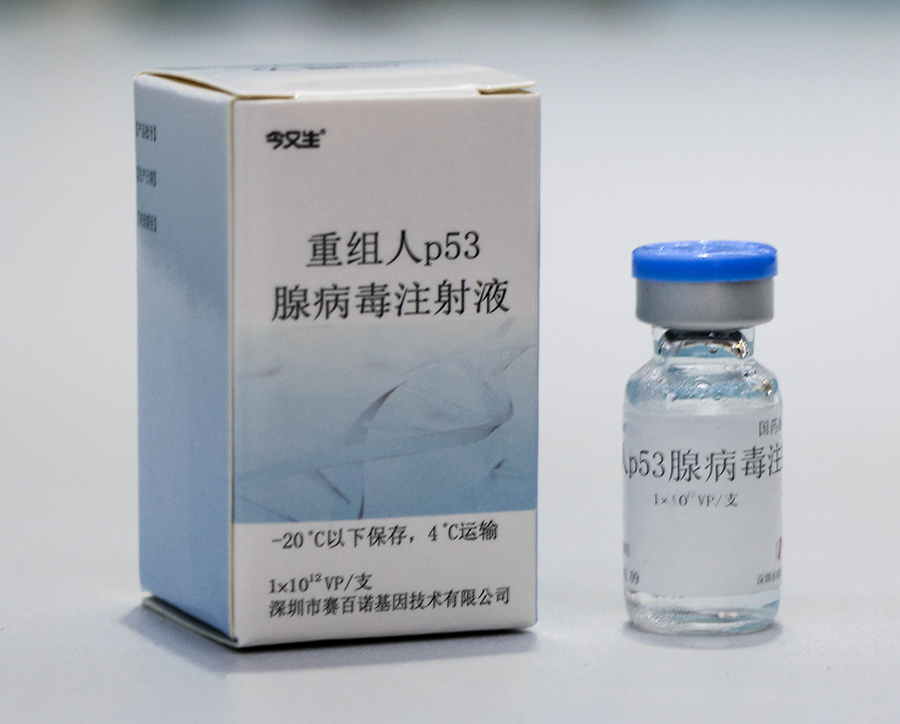
In recent years, more and more new drug research has been included in major national science and technology projects, and the national level is continuously accelerating the drug review and approval of anti-cancer drugs, which is urgently needed to protect patients. Patients should choose drugs rationally and use them according to their own condition. Accelerating the launch of cancer drugs and ensuring their rational use is crucial, "said Gu Jin, Dean of Shougang Hospital at Peking University.
Ren Qianli, Director of the Medical Imaging Department and Secretary of the Medical Technology Party Branch of Huaibei People's Hospital, put forward two suggestions regarding the research and development of rare disease drugs and tumor drugs. Firstly, the country should increase investment to enable some large pharmaceutical companies to focus on the research and development of high-end drugs; Secondly, the country will further reduce tariffs. When drugs are imported from abroad, tariffs account for a large part. If this can be reduced, more profits can be given to the people, making imported drugs affordable for them.
The reason why tumors, especially malignant tumors, are "difficult" to treat is that they have "heterogeneity" and it is difficult to explore patterns. Due to its elusive nature, there are various treatment methods for tumors. Fan Daiming, Chairman of the China Anti Cancer Association, believes that "various methods should be integrated". Providing different treatments to different individuals or combining multiple treatment plans for a patient is called integrative medicine, or integrative oncology.
Wang Guiqi, director of the Department of Endoscopy of Cancer Hospital of the Chinese Academy of Medical Sciences, pointed out that at present, China's cancer prevention and treatment network has basically formed. The National Cancer Center has built 574 tumor registration monitoring points, covering a population of 430 million, accounting for about 31.5% of the national population. China Cancer Registration Annual Report is regularly released. Wang Guiqi said: "China is actively promoting the screening and early diagnosis and treatment of cancer. The most gratifying thing is that in some pilot areas of the cancer prevention screening and early diagnosis and treatment work project, the incidence rate and mortality of cancer have shown a double downward trend."
At present, the key tasks of cancer prevention and control are gradually being implemented. The State Council has established an inter ministerial joint conference system for the prevention and control of major chronic diseases, and 20 provinces have established provincial-level cancer centers. The number of national tumor monitoring points has reached 574, and the tumor registration and monitoring follow-up network has been basically established. With the continuous advancement of key tasks in cancer prevention and control, it may effectively curb the increasing burden of cancer in China.